使用 GNU Screen IPC 與本機 1B LLM inference,在 CPU-only hardware 上即時控制終端機遊戲的 agent。
本文翻譯自英文原文。
llmrex
一個本機 1B LLM 透過 GNU Screen IPC 即時玩終端機 dinosaur game。CPU-only。不需要 GPU。
Github: GCaggianese/llmrex
這是什麼
一個小型 framework,用來把本機 LLM 接到終端機遊戲中,作為 live agents。
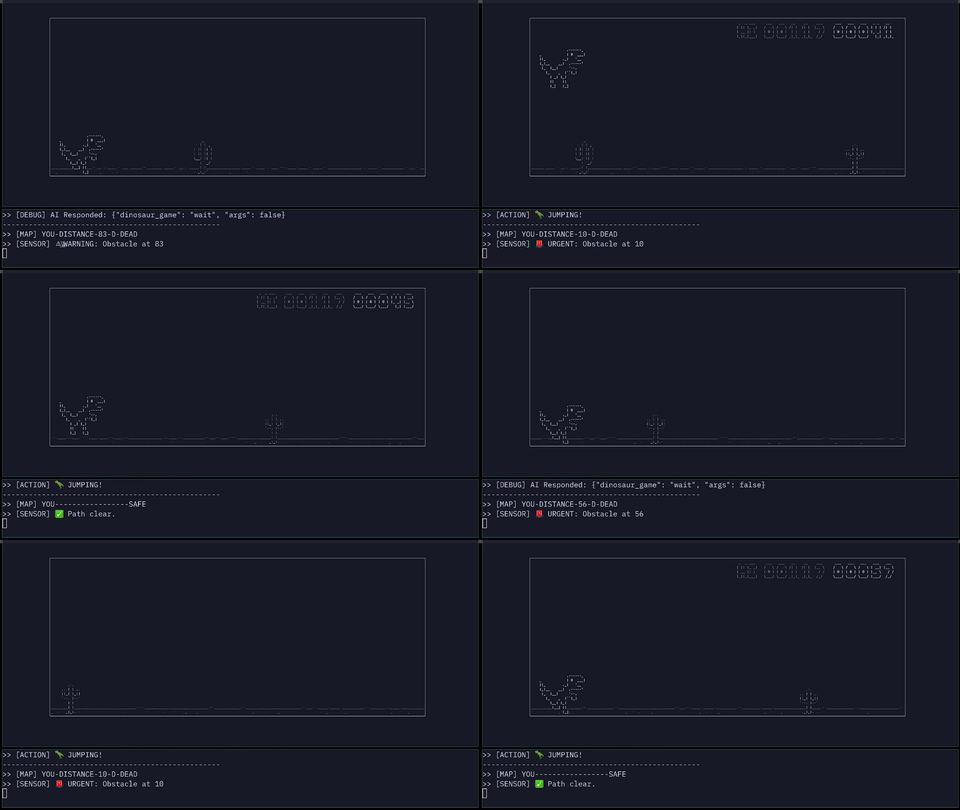
第一個目標是 SATYADAHAL/termrex 的 fork,也就是 Chrome dinosaur game 的 C++ 終端機版本。Controller 與 parser 用 D 寫成。GNU Screen 提供 IPC backbone,同時暴露 keystroke injection 與 live terminal-content capture。
模型可以透過 Ollama 在本機執行(推薦),也可以透過 Gemini 2.5 Flash 這類 hosted backend 執行。
為什麼存在這個專案
大多數「LLM agents」都在高延遲、推論預算很大的環境中運作。
這個專案探索相反的限制:
- 緊湊的 real-time loops
- CPU-only local inference
- 最小 symbolic state extraction
- deterministic action serialization
- 系統之間的低延遲 IPC
有趣的問題不是 dinosaur game 本身,而是圍繞一個非常小的本機模型,建立可靠的 realtime agent loop。
這個系統解決的三個問題
- 從正在執行的終端機應用程式擷取 live game state
- 即時把 actions 注入回遊戲
- 讓完整 inference loop 維持在實用的 latency budget 內
架構

運作方式
GNU Screen 作為 IPC backbone
命名的 GNU Screen sessions 剛好提供所需的兩個 primitives:
screen -X stuff " "將 keystroke 注入 sessionscreen -X hardcopy <file>將目前可見的 terminal content dump 到檔案
這建立了一個完整的雙向 channel:
- 讀出 state
- 把 input 推回去
不需要 custom IPC layer,遊戲本身也不需要暴露任何 internal state。
使用 Screen 作為 transport layer,是讓這個專案能以最小複雜度變得實用的關鍵架構決策。
放慢遊戲
社群的 dinosaur game 終端機 ports 對實用的 CPU-only local inference 來說跑得太快。
修正方式是修改 termrex 的 internal timing 與 physics step rate。Input handling 部分綁在 frame-refresh loop 上,所以放慢遊戲也破壞了 keypress responsiveness。Input loop 必須被解耦,並且部分重寫。
Flying enemies 透過 runtime flag 停用:
--no-obstacle-dino
這刻意把 action space 限制成單一 binary decision:
- jump
- wait
目標是展示穩定的 real-time inference loop,而不是最大化 gameplay complexity。
Parser:從 ASCII art 到 symbolic state
parser.d 從 live terminal snapshot 中抽取單一 distance signal:
- 找到 game frame 的底部邊界(
╰) - 讀取 playfield row
- 搜尋 cactus signatures(
||_、| |) - 計算 dinosaur 到最近 obstacle 的距離
輸出很簡單:
- 以 characters 表示的距離
- 或在沒有可見物件時輸出
-1
模型永遠不會直接看到 ASCII rendering。
不需要 image processing 或 spatial reasoning。
為什麼用本機 LLM
Hosted APIs 不適合緊湊的 real-time loops:
- rate limits
- network latency
- response times 長
- inference delays 不可預測
單一 hosted response 可能比多個遊戲 obstacles 還久。
Local inference 完全移除這些限制,但引入另一個限制:
模型必須非常小且快速。
目標硬體是:
- Intel 11th-gen i7
- 32GB DDR4
- no GPU
Model testing results
透過 Ollama 測試了幾個 models。
IBM Granite 4 (1B quantized)
最佳實用結果。
- 快到足以 real-time play
- JSON formatting 可靠
- 在重複 loops 下 behavior 穩定
Qwen reasoning variants
推理能力更強,但不適合 real time。
模型經常進入延長的 reasoning sequences,把簡單 actions 變成數分鐘的 pauses。
更小的 sub-1B models
產生一致、可 parse 的 output 時太不可靠。
Hosted backend:Gemini 2.5 Flash
主要為實驗與比較而支援。
Hosted path 透過 actions 之間的強制 delay 來遵守 API limits。
“logic gate” prompt
最初設計是把 raw ASCII frames 直接傳給模型。
小型本機 models 對空間 layout 的解讀表現很差。
解法是把大部分 decision-making 移到 deterministic preprocessing。
Parser 將 obstacle distance 轉成 symbolic sensor states:
URGENTWARNINGSAFE
接著模型被明確設定成 deterministic logic gate:
System: You are a machine logic gate. Output ONLY JSON.
Rule 1: If SENSOR is URGENT, you must output the JUMP JSON.
Rule 2: If SENSOR is SAFE or WARNING, you must output the WAIT JSON.

Input MAP:    YOU-DISTANCE-15-D-DEAD
Input SENSOR: URGENT

JUMP JSON: {"dinosaur_game": "jump", "args": true}
WAIT JSON: {"dinosaur_game": "wait", "args": false}

Output:
這刻意用可靠性換掉模型的「智慧」。
大部分 reasoning 發生在 parser layer;模型的工作變成在嚴格 latency constraints 下穩定地序列化 action。
這個 trade-off 讓本機 1B model 能在 CPU-only hardware 上運行於 real-time loop 中。
執行
Dependencies
- Linux
- GNU Screen
- D compiler(
dmd、ldc2或gdc) - Ollama
Optional:
GEMINI_API_KEY用於 hosted inference
Setup
# 1. Pull the local model
ollama pull granite4:1b

# 2. Clone this repository
git clone <REPO_URL>
cd llmrex

# 3. Build the patched termrex
cd termrex
make

# 4. Build the agent
cd ..
mkdir -p build
dmd -of=build/agent agent.d parser.d -L-lcurl
Play
Terminal A — start the game
screen -S dino
./termrex/build/termrex \
    --ascii-only \
    --no-obstacle-dino \
    --skip-intro
Terminal B — run the agent
不要忘記啟用 ollama
ollama serve &
./build/agent \
    --ollama \
    --model granite4:1b \
    --urgent 35 # adjust the offset to match the inference delay of your setup
CLI flags
-
--ollama使用本機 Ollama backend -
--model <name>Ollama model tag(default:granite4:1b) -
--urgent <n>觸發 jump 的 character distance threshold -
--dir <path>用於 snapshot generation 的 project root path
Gemini backend
匯出 Gemini API key 並省略 --ollama:
export GEMINI_API_KEY=...
限制與未來工作
手動調整的 timing
目前的 game speed 是針對測試硬體與模型手動校準。
更好的系統會:
- 在 startup benchmark tokens/sec
- 動態調整 game speed
- 自動調整 inference pacing
Stateless prompts
模型在 frames 之間沒有 memory。
有限的 short-term context 可能改善 prediction 與 timing consistency。
Single-action gameplay
Flying enemies 被停用,以保持 action space 為 binary。
支援它們需要:
- parser height detection
- additional sensor channels
- 第二個 action(
duck)
Parser-heavy architecture
目前大部分 reasoning 發生在 inference 之前。
這是刻意的:它讓小模型能可靠地即時運作。
更強的本機 models 可以把部分 decision-making 移回 inference layer。
Credits
- Upstream game:SATYADAHAL/termrex
- Local inference:Ollama
- Model:IBM Granite
- Optional hosted backend:Gemini 2.5 Flash